Training
What a trained Malinois should mean
A fast, strong dog without control is a liability. Check control first, and everything else after.
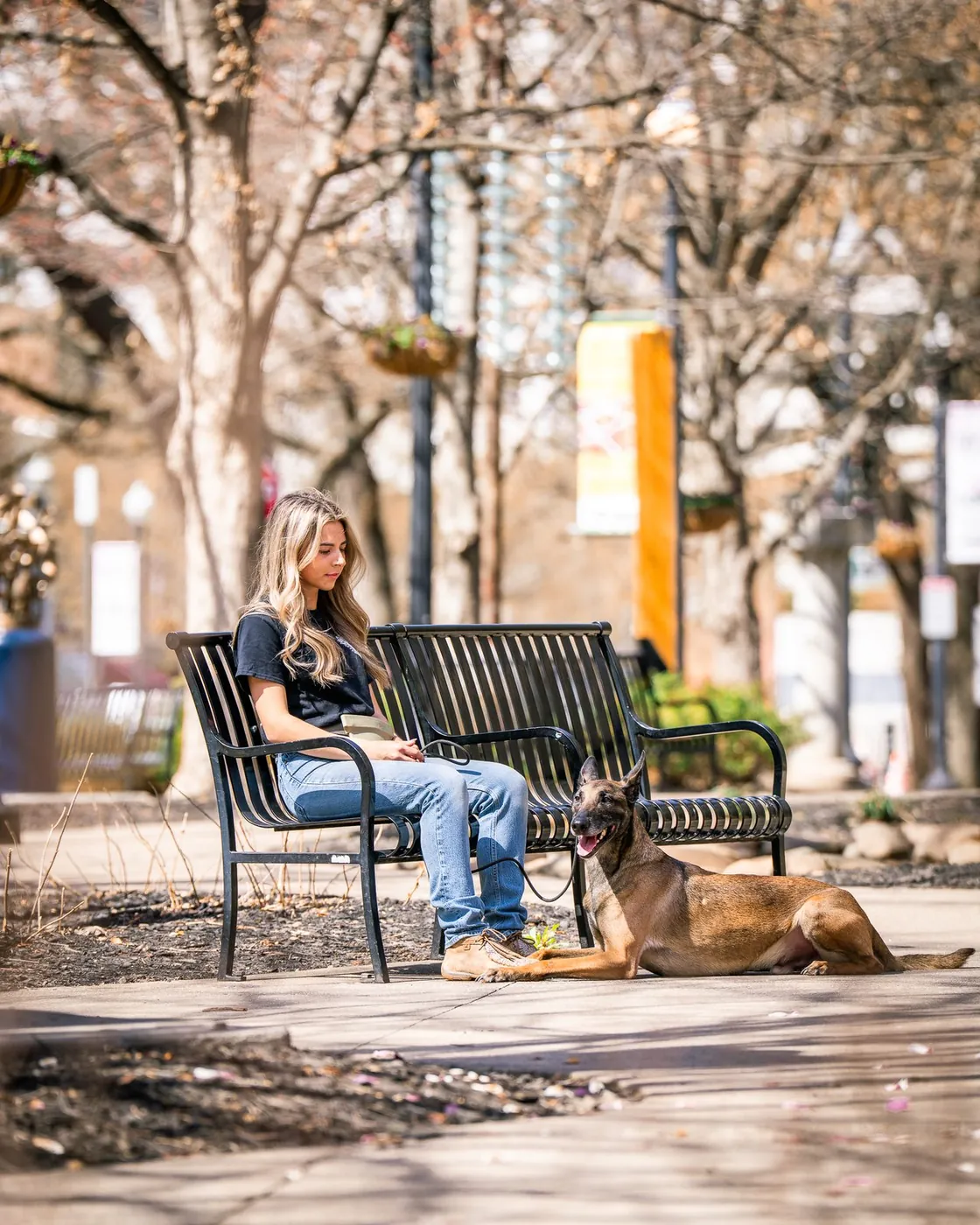
Control before intensity
For a breed this driven, the most important training is not dramatic. It is the quiet ability to settle at a bench, ignore passing dogs, come when called and release on command. Protection work, if added, should sit on top of that stability.
Skills to look for
- Settling calmly in a public place without constant correction.
- Reliable recall around distractions.
- Neutral behavior around strangers and other dogs.
- Stopping on command from a state of high excitement.
- Handler lessons for you, included and scheduled.
Why not more detail
This guide does not describe protection techniques. That work needs qualified professionals who can supervise it in person.
The limits of any training
Training reduces unwanted behavior and improves reliability. It does not remove risk, and it needs regular practice. Be cautious of anyone who promises a Malinois will never fail.
Before you buy, read buying questions and costs.
Quick answers
Is a trained Malinois automatically safe?
No. Training helps, but supervision, containment and ongoing practice still matter.
How long does it take?
It varies with the dog's age and starting point. Ask for a believable timeline, in writing.
Think a Malinois fits? Say so.
Send a request and K9PN will refer it to an independent professional who works with this breed in your area.